How to Subdivide Land in Kenya: Step-by-Step Process
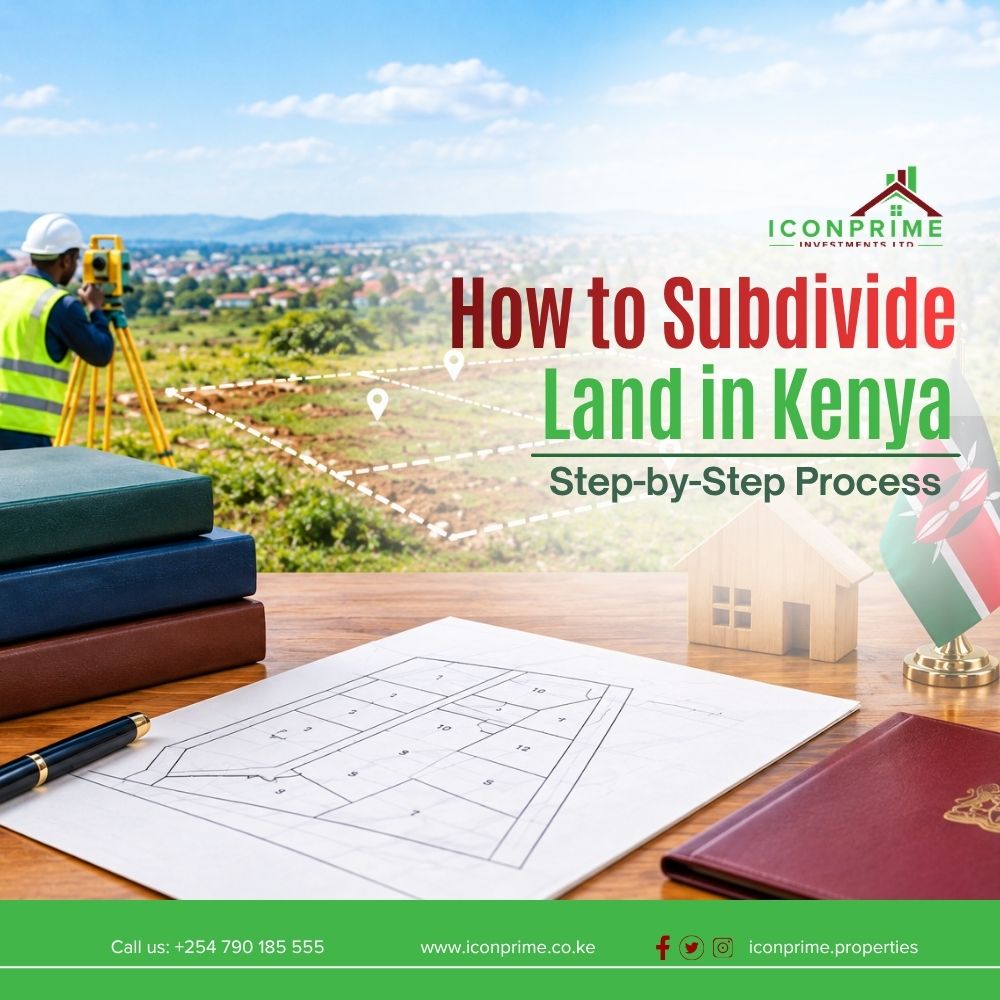
Knowing how to subdivide land in Kenya properly is what separates a smooth, legally sound subdivision from one that ends up tangled in disputes, rejected applications, or unsellable plots.
Owning a large piece of land can open up many opportunities. You may want to sell part of it, share it among family members, develop smaller plots, or create land parcels for investment. Whatever your reason, land subdivision in Kenya is a legal and technical process that requires proper planning — not just measuring tape and good intentions.
The 8-Step Land Subdivision Process
1. Confirm Your Land Ownership
Before starting the subdivision process, make sure your land records are in order. Conduct an official land search to confirm the registered owner and check whether there are any cautions, charges, restrictions, disputes, or other interests affecting the property. This simple step can help you identify potential problems before spending money on the subdivision.
2. Engage a Licensed Surveyor
The next step is to work with a licensed land surveyor. The surveyor examines the existing parcel, confirms its boundaries, and helps develop a suitable subdivision plan — considering the size of the land, proposed plot sizes, access roads, boundaries, and applicable planning requirements.
3. Prepare the Subdivision Plan
Your surveyor prepares a proposed subdivision scheme showing how the original parcel will be divided. A large parcel may be split into several smaller plots, but the resulting sizes can’t simply be chosen arbitrarily — planning regulations, access, and the intended use of the land all factor into the plan.
4. Obtain the Necessary Approvals
The proposed subdivision is submitted to the relevant county planning authorities for approval. Depending on the type and location of the land, additional approvals may be required — agricultural land, for example, may require Land Control Board consent. Confirm the requirements that apply specifically to your property before proceeding.
5. Survey and Mark the New Boundaries
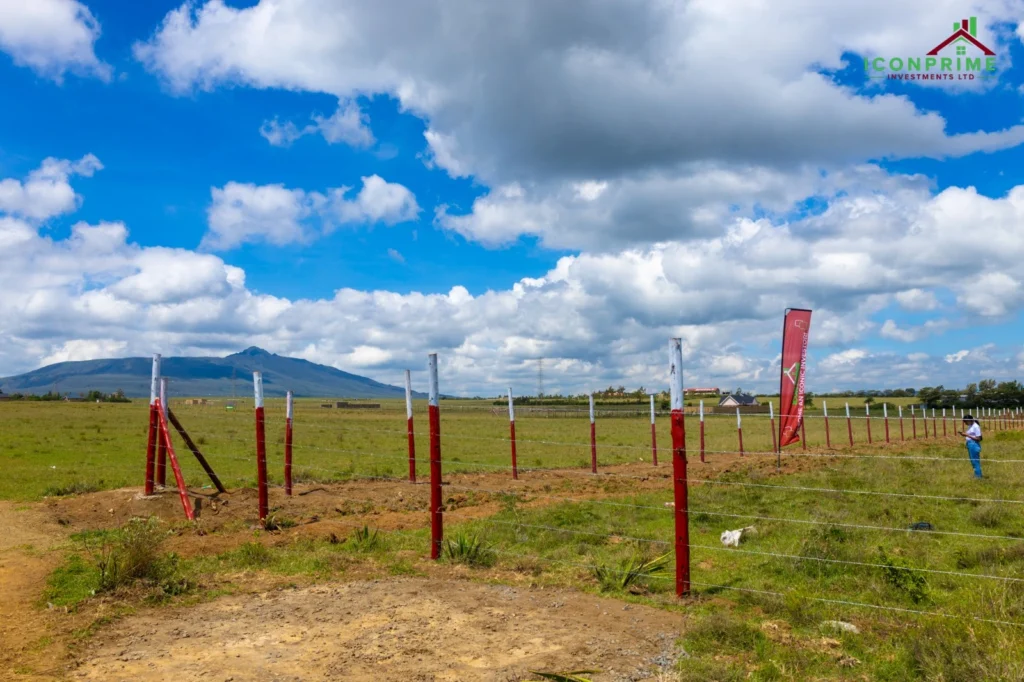
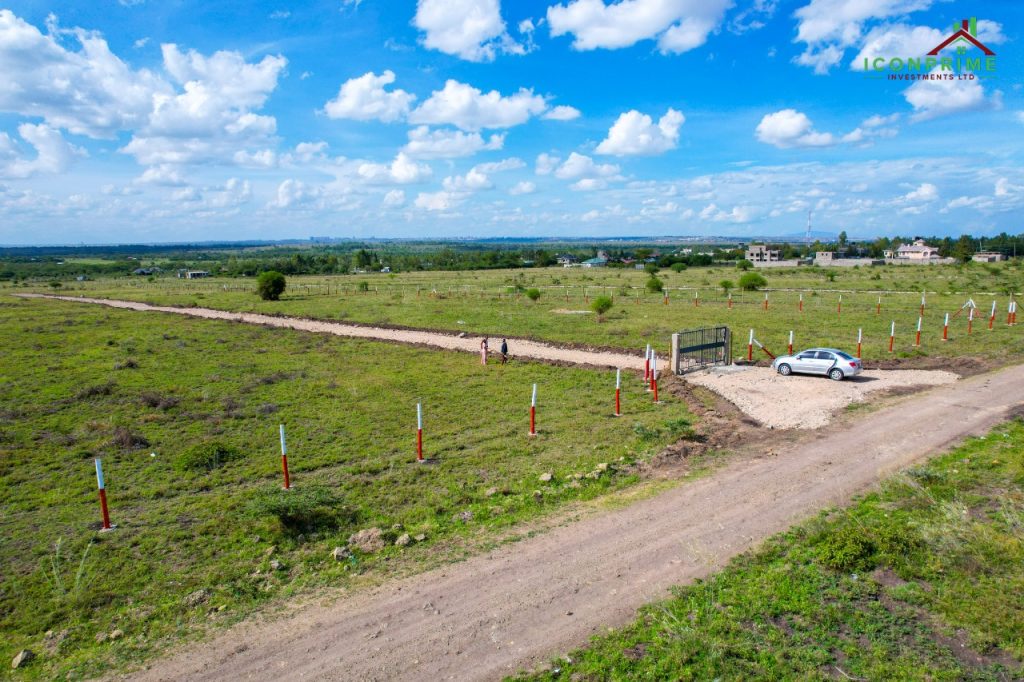
Once the necessary approvals are obtained, the surveyor carries out the subdivision survey. The new boundaries are measured and marked on the ground, with appropriate survey information prepared for the resulting parcels. This is where the proposed plots begin to take shape physically.
6. Process the Mutation
A mutation form records the changes made to the original parcel following subdivision. It contains important information about the parent parcel and the resulting plots. The mutation and supporting documents are then processed through the relevant land administration and survey systems.
7. Register the New Parcels
After the required documentation and approvals are in place, the subdivision is submitted to the relevant land registry, and the land records are updated to reflect the newly created parcels.
8. Obtain the New Titles
Once the subdivision is successfully registered, the resulting parcels can have their individual title documents issued. At this point, each parcel has its own legal identity in the land records, allowing the registered owner to deal with it according to the applicable laws and conditions.
Common Mistakes to Avoid
One of the biggest mistakes landowners make is assuming subdivision is simply about measuring and putting up boundaries. It’s a legal, planning, and surveying process — and skipping steps tends to catch up with you later. Avoid:
- Subdividing without the required approvals
- Selling informal portions before registration is complete
- Ignoring access roads when planning plot layouts
- Relying on unqualified individuals to handle technical survey work
Why This Matters If You’re Buying, Not Subdividing
If you’re on the buying side rather than the subdividing side, this process explains exactly why a properly subdivided and titled plot is worth paying for. A plot that skipped approvals, mutation, or registration can leave you with unclear ownership, boundary disputes, or a title that’s harder to transfer later. When evaluating land for sale, confirm that it went through this full process — not just that it’s been measured out and marked.
Final Thoughts
Subdividing land in Kenya may seem complicated, but the process becomes much easier when handled systematically and with the right professionals. If you’re considering buying land for investment, development, or future subdivision, proper due diligence is always the right place to start.
At Icon Prime Investments Ltd, every plot we sell has already gone through the proper subdivision, survey, and registration process — so buyers get a correctly titled plot from day one, without inheriting someone else’s shortcuts.
Looking for Properly Subdivided, Titled Land?
Explore Icon Prime’s available plots in Kitengela, Diani, Juja, Naivasha, Ngong, Kangundo Road, and Kikuyu — all correctly subdivided and registered.
View Available Plots