How to Conduct Due Diligence When Buying Land in Kenya

Due diligence when buying land in Kenya is what separates a secure investment from a costly mistake — and it starts long before you sign anything or send a single shilling.
Buying land is a major financial decision. Whether you’re purchasing a plot for your dream home, future development, or long-term investment, proper due diligence helps you avoid fraud, disputes, and unexpected costs. Before making any payment, take the time to verify the property, the ownership, the documentation, and the location. Here’s exactly how to do it.
1. Conduct an Official Land Search
The first step is always an official land search. This confirms the registered owner and identifies any encumbrances, including charges, cautions, restrictions, or other interests registered against the property. The State Department for Lands describes the search certificate as an essential document for due diligence before any land transaction, and you can access land information through Ardhisasa, the government’s digital land information platform.
2. Verify the Seller’s Identity and Ownership
Confirm that the person or company selling the land is the legitimate registered owner. Compare the seller’s identification documents against the details on the official search and title documents. If you’re buying from a company, conduct additional checks to confirm it actually has the authority to sell the property.
3. Confirm the Land Details on the Ground
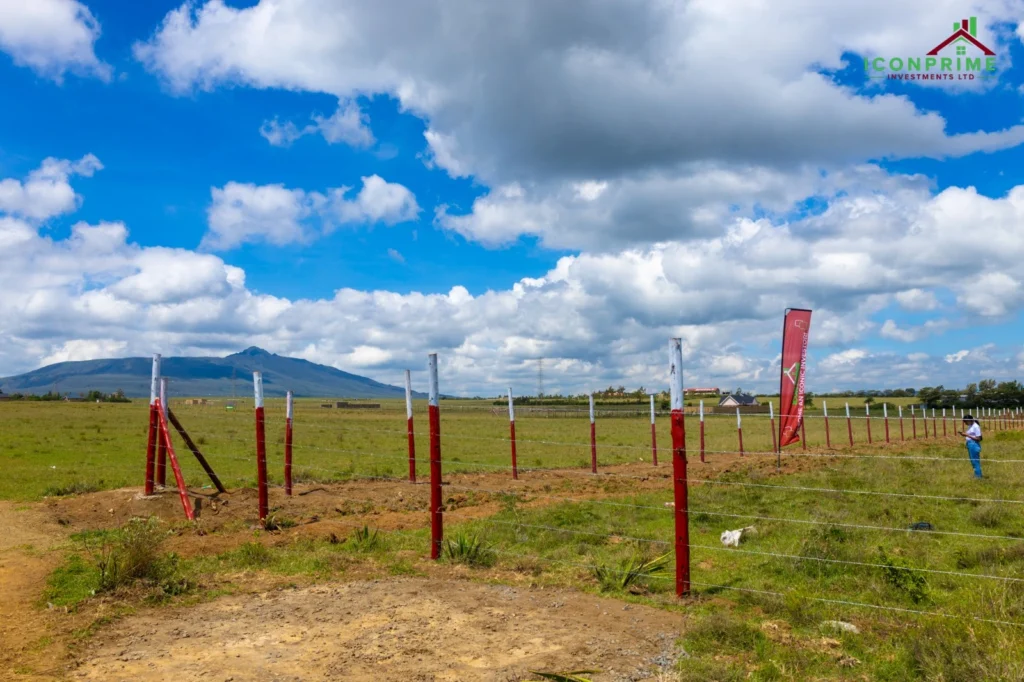
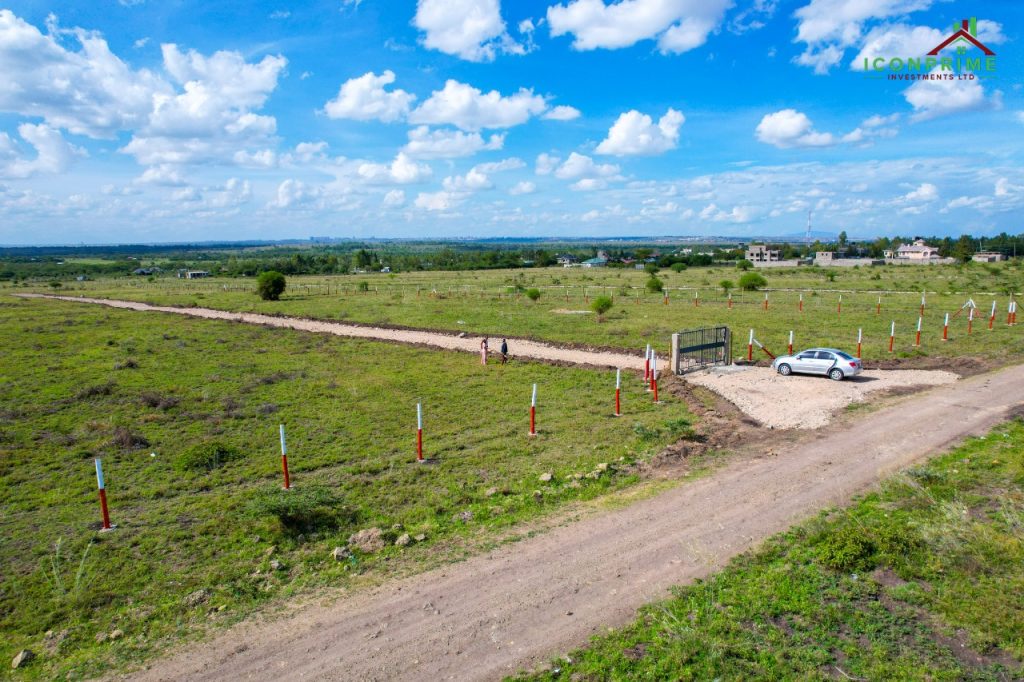
Documents alone are not enough. Visit the property in person and confirm its location, boundaries, access roads, beacons, existing developments, and surrounding environment. Where necessary, engage a qualified surveyor to confirm the physical boundaries match the survey records — this single step can prevent boundary disputes long after purchase.
4. Check Land Rates, Rent, and Other Obligations
Before completing the purchase, establish whether there are outstanding land rates or land rent attached to the property. These obligations can affect the transaction and should be clarified before you sign the final agreement.
5. Confirm Approvals and Required Consents
Some land transactions require specific approvals or consents — for example, certain transactions involving agricultural land require Land Control Board consent. Your advocate should confirm exactly which consents and documents apply to the specific property you intend to purchase.
6. Use a Qualified Advocate
A property advocate reviews the title, sale agreement, searches, consents, transfer documents, and completion requirements. Professional guidance is especially important when purchasing high-value property or land with complex ownership arrangements.
7. Never Rush the Purchase
A genuine investment should withstand proper verification. Avoid sending large payments simply because of pressure, attractive discounts, or claims that another buyer is ready to purchase.
- Official land search completed
- Seller’s identity and authority verified
- Site visited and boundaries confirmed
- Land rates and rent obligations cleared
- Required consents and approvals confirmed
- Advocate engaged to review all documentation
Buy Land With Confidence
Due diligence isn’t just paperwork — it’s an essential part of protecting your investment. At Icon Prime Investments Ltd, we believe land buying should be transparent, professional, and customer-focused. From property selection to documentation, having the right guidance makes the journey more secure and informed.
Ready to Invest in Land in Kenya?
Buy from a company that puts due diligence first. Become an Iconic Investor with Icon Prime and take the first step toward owning property with confidence.
View Available Plots